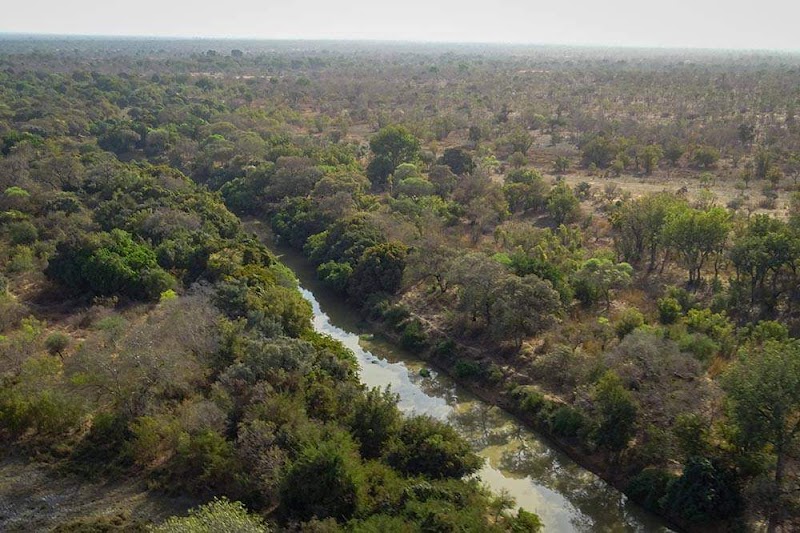
Wilderness Landscape & Natural Heritage
W National Park spans parts of Niger, Benin, and Burkina Faso, covering approximately 10,000 square kilometers of savanna, riverine forests, wetlands, and wooded grasslands. The park is named after the distinctive 'W' shape created by a sharp bend in the Niger River, which flows through the area and supports a variety of aquatic and terrestrial ecosystems. Established in 1954 and designated a UNESCO World Heritage Site, the park protects one of the most important wildlife habitats in West Africa. It is home to a diversity of species including African elephants, lions, cheetahs, hippopotamuses, Nile crocodiles, and several antelope species, alongside over 350 bird species. W National Park holds cultural importance as well, with evidence of ancient human settlements and the presence of traditional communities nearby. Key recreational activities include guided game drives, bird watching, canoe trips on the Niger River, and nature photography. Iconic landmarks within or near the park include the Niger River itself and natural viewing points offering panoramic views. Visitors find appeal in the park's remote wilderness, rich biodiversity, and the opportunity to experience wilderness safaris in a less crowded setting compared to more famous African parks. Cross-border tourism arrangements allow for a unique international conservation effort and visitor experience.